Five Builds, Zero Daylight: How Real Client Projects Got Shipped Before Sunrise
Photo: Lee Campbell leecampbell, CC0, via Wikimedia Commons
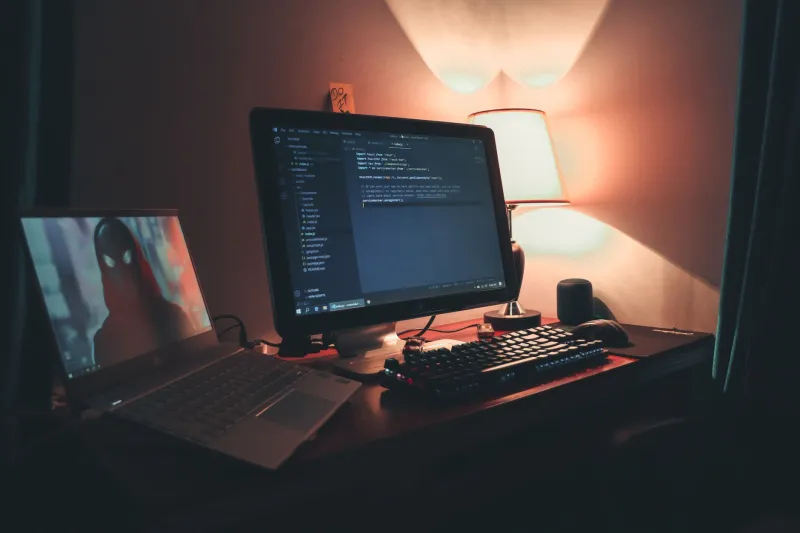
Nobody hands you a contract that says 'must be completed between 11 PM and 5 AM.' But if you're a night-shift developer moonlighting (or mainlighting, depending on your schedule), that's effectively the window you've got. Here are five real projects — names changed, timelines honest — that went from kickoff call to delivered product without a single line of code written before sunset.
Project One: The Bakery Landing Page That Took Four Nights
A family-run bakery in Portland, Oregon needed a one-page site with online ordering for custom cakes. Total scope: about 12 hours of work.
The trick with tiny projects isn't the coding — it's the communication. The owner could only talk during business hours, so all discovery happened on two 20-minute afternoon calls. Everything else ran async: a shared Google Doc for content, a Figma link for approvals, and a Loom video walkthrough instead of a live demo.
Night one was scaffolding and the hero section. Night two was the order form and payment integration. Night three was mobile polish. Night four was QA and launch. The client's only comment at handoff: "That was fast." She never asked when the work happened, and I never volunteered it.
Project Two: The WordPress Rescue Nobody Scheduled
A Phoenix real estate agent's site had been hacked — malware injected, Google blacklisting it. She was losing leads daily and panicking.
This is where night work actually becomes an advantage. I could restore from backups, scrub the database, and run security scans while her traffic was lowest. Fewer visitors means fewer people hitting a broken site mid-repair. I did the risky migration work at 2 AM, staged everything on a copy first, and flipped DNS at 4:30 AM Pacific — right before her East Coast prospects started searching.
By the time she woke up at 7 AM Arizona time, the site was clean, fast, and re-indexed. Her email: "Did you even sleep?" Wrong question, but I appreciated the sentiment.
Project Three: A Full E-Commerce Build, One Sprint of Nights
This was the big one: a Shopify build for a Chicago apparel brand migrating off Etsy. Roughly 60 hours of work — theme customization, product migration, shipping zones for all 50 states, tax settings, email flows.
You cannot fake 60 hours of focus in a few all-nighters. Instead, I ran it like a distributed team of one: 90-minute deep work blocks starting at 11 PM, four to five nights a week, for three and a half weeks. Every block had a written goal before I opened the editor, because tired-brain scope creep is real.
The client noticed the timezone gap worked for them. I'd send end-of-night progress reports; they'd review during their Chicago workday and leave feedback that I'd pick up that evening. It was like having a 24-hour development cycle with a one-person team.
Project Four: The SaaS Onboarding Redesign
A bootstrapped Austin startup wanted their onboarding flow rebuilt — five screens, form validation, a progress bar, and analytics events. The founder was a developer himself, which changes the dynamic: he reviewed PRs, not screenshots.
We lived entirely in GitHub. I pushed branches at night, he reviewed over morning coffee, and we merged on a rolling basis. No standups, no Slack pings, no scheduling. He later told me the overnight turnaround made me feel like "a contractor in Europe, except in the same country and without the invoice currency drama."
Project Five: The Restaurant Site With a Hard Deadline
A New Orleans restaurant was reopening after a renovation and needed a new site live before their Friday relaunch — booked on a Tuesday night. Three nights, no room for error.
When the window is this tight, you front-load the decisions. I sent a single approval email Tuesday at midnight with fonts, colors, and structure locked in. The owner replied Wednesday morning. I built Wednesday night, tested Thursday night across every browser and screen size I own, and launched at 5 AM Friday. The relaunch post got 400 shares. Nobody in the comments asked what time the site went live.
What These Five Projects Have in Common
Strip away the details and the pattern is clear:
- All client communication happened in their daylight, not mine. Calls, approvals, and feedback lived in their workday. The building lived in mine.
- Every project had written scope before night one. Ambiguity at 1 AM is a project killer.
- Async tools did the heavy lifting. Loom, Figma comments, GitHub PRs, and shared docs replaced every meeting.
- Launch timing was strategic, not accidental. Deploying at 4 or 5 AM local time means minimal traffic and a full business day to catch issues before the client even opens their laptop.
The Part Clients Never See
Here's the honest footnote: night delivery isn't magic, and it isn't for every project. The bakery page worked because the scope was small. The Shopify build worked because the client was comfortable with async review. Projects that demand real-time collaboration — pair programming sessions, live design reviews, anxious stakeholders who want hourly updates — will fight your schedule the whole way.
But for the right kind of work, something quietly satisfying happens when you build while the country sleeps. The client gets results that seem to materialize overnight. You get the deep, uninterrupted hours that daytime freelancers spend dodging interruptions. And nobody has to know that the site they're admiring over morning coffee was finished four hours earlier, somewhere dark and quiet, right on schedule.