No Meetings, No Mercy: How Night Devs Quietly Out-Ship Entire Day Teams

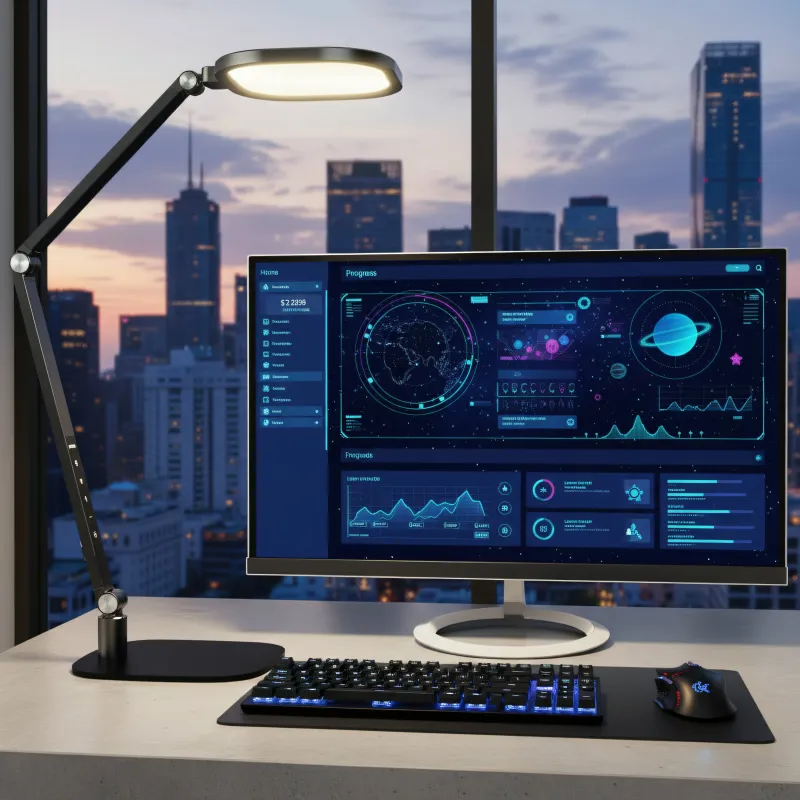
Photo: developer coding alone at night with multiple monitors glowing in dark room, via images.stockcake.com
There's a moment around 11 PM when something clicks. The group chat goes silent. The Slack notifications dry up. Your inbox stops refreshing every four minutes with someone's opinion about button colors. And suddenly — finally — you can actually think.
If you've ever done serious development work after hours, you know this feeling intimately. What you might not realize is that this feeling isn't just comfortable. It's a genuine competitive edge. Night developers, almost by accident, have stumbled into one of the most efficient software production environments that exists. And forward-thinking companies are starting to notice.
The Interruption Tax Nobody Talks About
Here's a number that should make every daytime developer wince: research from UC Irvine found that it takes an average of 23 minutes to fully regain focus after an interruption. Now think about a typical 9-to-5 workday. You've got standups, Slack pings, a coworker swinging by your desk, a calendar invite for a meeting about a meeting, and a product manager who just "has a quick question."
Stack those interruptions together and you're not really getting eight hours of development time. You're getting fragments — 15 minutes here, half an hour there — stitched together between context switches. Deep, architectural thinking becomes nearly impossible. You end up writing the code you can write, not necessarily the code you should write.
Night developers sidestep this tax almost entirely. Nobody is pinging you at 1 AM to ask if you saw the new brand guidelines. Nobody is pulling you into a video call to "align on priorities." The calendar is empty. The city is quiet. Your brain gets to actually settle into a problem.
The result? Longer, unbroken focus sessions that produce cleaner logic, fewer hacks, and code that doesn't require a comment that says // don't touch this, I have no idea why it works.
Async Communication Forces Better Thinking
One of the underrated benefits of working while the rest of your team sleeps is that you can't get an instant answer to every question. And that's a feature, not a bug.
When you're forced to work asynchronously, you stop reaching for the quick Slack message and start solving problems on your own first. You dig into the documentation. You read the existing codebase more carefully. You think through the edge cases before you've even typed a line. By the time you do write up a question for a teammate, it's a better, more specific question — and often, you've answered it yourself in the process of articulating it.
This self-reliance loop produces developers who ship more thoughtful code. Day teams, swimming in the option to ask someone anything at any moment, can develop a dependency on real-time collaboration that actually slows individual output. Night devs build a different muscle: autonomous problem-solving at a high level.
The Shipping Speed Math Actually Works Out
It sounds counterintuitive at first. How does a developer working unconventional hours keep pace with — or outpace — a full team operating during normal business hours?
The math is simpler than you'd expect. A night developer with four hours of genuine deep work can outperform a day developer with eight hours of fragmented, interrupt-heavy work. Quality of focus time, not quantity of clock hours, is what determines how fast good code ships.
There's also a compounding effect. Because night dev code tends to be cleaner and more deliberate, it generates fewer bugs. Fewer bugs mean fewer emergency patches, fewer late-night (ironically) fire drills, and fewer regression-induced delays down the line. The velocity advantage isn't just in the initial build — it compounds across the entire release cycle.
Some US-based remote-first companies have quietly started structuring their dev teams to take advantage of this. Rather than requiring all engineers to be online during the same core hours, they're building async-first cultures where a night-shift developer's commits are ready and waiting when the rest of the team logs on in the morning. Instead of a bottleneck, the night dev becomes a force multiplier.
Why Companies Are Hiring for the Night Shift (Without Calling It That)
You probably won't see a job posting titled "Night Shift Senior Engineer" on LinkedIn. But look closer at the language in remote job listings, and you'll start to see it: "async-first culture," "flexible hours encouraged," "results-driven, not hours-driven."
That's corporate speak for: we don't care when you work, as long as the code ships. And increasingly, the people who thrive in those environments are the ones who've already optimized for exactly this kind of independent, deep-focus development.
Freelancers working the night shift have understood this for years. Their pitches to clients essentially write themselves: I'll have reviewed your requirements, asked my clarifying questions, and pushed my first branch before your in-house team has finished their morning standup. For startups trying to compress their release timelines, that's not a minor perk — it's genuinely valuable.
The Tradeoffs Are Real (But Manageable)
None of this means night development is without its challenges. Timezone friction is real. If you're a night dev working with a team that does synchronous planning sessions at 10 AM Eastern, you're either sleeping through them or running on too little rest — neither of which is sustainable.
The sweet spot is a team culture that's genuinely async, not just performatively flexible. Async-first means documentation is thorough, decisions are made in writing, and nobody expects an instant reply. When that infrastructure exists, night developers don't just survive — they become some of the most productive contributors on the team.
Solo freelancers have it a little easier. When you own your calendar, you can structure your async communication on your own terms. Send your status updates before you sleep. Review client feedback when you wake up. Ship your commits overnight. It's a clean, self-contained loop that doesn't require anyone else to change their schedule.
The Quiet Edge
The reason night development keeps producing surprisingly strong results isn't magic. It's environmental. Fewer interruptions, forced async habits, and unbroken focus time create conditions where good code almost naturally follows.
Day teams aren't doing anything wrong, exactly. They're just working in environments that weren't really designed for deep technical work. The open office, the Slack-first culture, the back-to-back meetings — none of that was built with a developer's brain in mind.
Night developers, whether by choice or circumstance, ended up somewhere quieter. And in that quiet, they figured out something the rest of the industry is only starting to catch up to: the best code doesn't come from the most hours. It comes from the clearest head.
The city sleeps. The commits pile up. The gap widens.